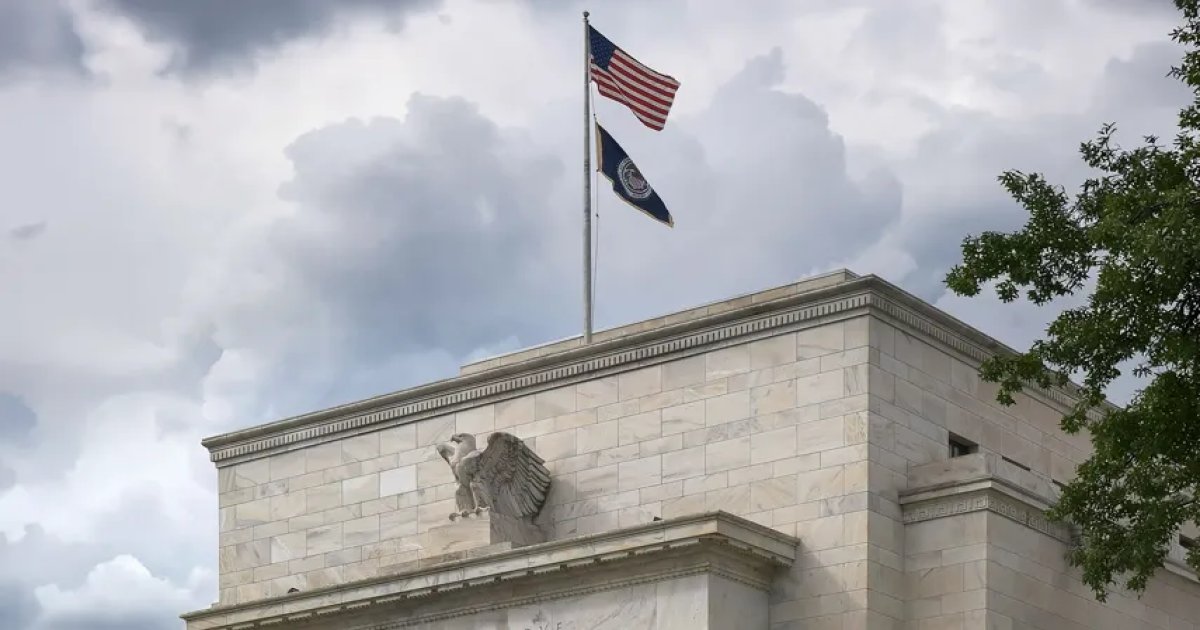
On September 30, the Federal Reserve finalized changes aimed at reducing volatility in stress-test capital requirements for U.S. banks. These modifications come alongside the introduction of revised bank capital rules in New Zealand and new measures from the Basel Committee to mitigate window-dressing by globally systemically important banks (G-SIBs).
Read More
The Federal Reserve's new rules will require banks with substantial trading books to undergo two global market shocks annually; the larger loss from these shocks will be used for each institution. Starting in 2028, the Fed will average results from the two most recent stress tests when calculating stress capital buffers, aiming to lower year-on-year volatility by about 50%, without significantly altering aggregate capital requirements. The changes are designed to ensure that stress capital buffers are less affected by the results of any single year’s stress test, although they may make banks' capital requirements more susceptible to severe outcomes over time.
Meanwhile, New Zealand’s updated Banking Prudential Requirements took effect on October 1. Banks now have immediate access to new standardized credit-risk weights, are required to apply revised residential mortgage weights by November 1, and must implement all new standardized weights by April 1, 2027. However, new instruments will no longer qualify as additional Tier 1 (AT1) capital, although previously eligible instruments will still be recognized during the transition period. The Reserve Bank of New Zealand also plans to raise the prudential capital buffer for systemic banks from 5.5% to 6% in October.
On the international front, the Basel Committee on Banking Supervision approved revisions to the G-SIB measurement to prevent temporary adjustments around financial reporting dates. These changes are meant to ensure that systemic-risk scores accurately reflect the risks carried throughout the year. The capital implications of this adjustment are yet to be quantified, pending the publication of the revised methodology.
In a related development, the Prudential Regulation Authority in the UK reported that expected credit loss (ECL) coverage has fallen to its lowest level since before the COVID-19 pandemic. This decline is seen in the context of improved asset quality but highlights variability in model implementation and data governance among banks.
Bank Millennium, based in Poland, announced a synthetic securitization transaction with the International Finance Corporation (IFC) on October 1, which is expected to increase its common equity Tier 1 (CET1) ratio by approximately 80 basis points. This move allows the bank to transfer a significant portion of credit risk while maintaining its loan portfolio.
In the United States, four major banks represent 80.2% of the banking industry's $300.5 trillion in derivatives at the end of the second quarter. Additionally, the Reserve Bank of Australia indicated that its banking sector’s CET1 ratio would decline to an estimated 11.6% under a severe economic scenario.
The Bank of England warned of a heightened risk of interconnected financial vulnerabilities, citing potential simultaneous stress in sovereign debt markets, risky asset valuations, and private credit. Meanwhile, the Monetary Authority of Singapore proposed new governance standards to enhance board independence among domestically significant banks.
Lastly, BNP Paribas addressed a previously identified issue in its U.S. resolution plan regarding the continuation of repurchase-agreement activities, satisfying the Federal Reserve and Federal Deposit Insurance Corporation's concerns.