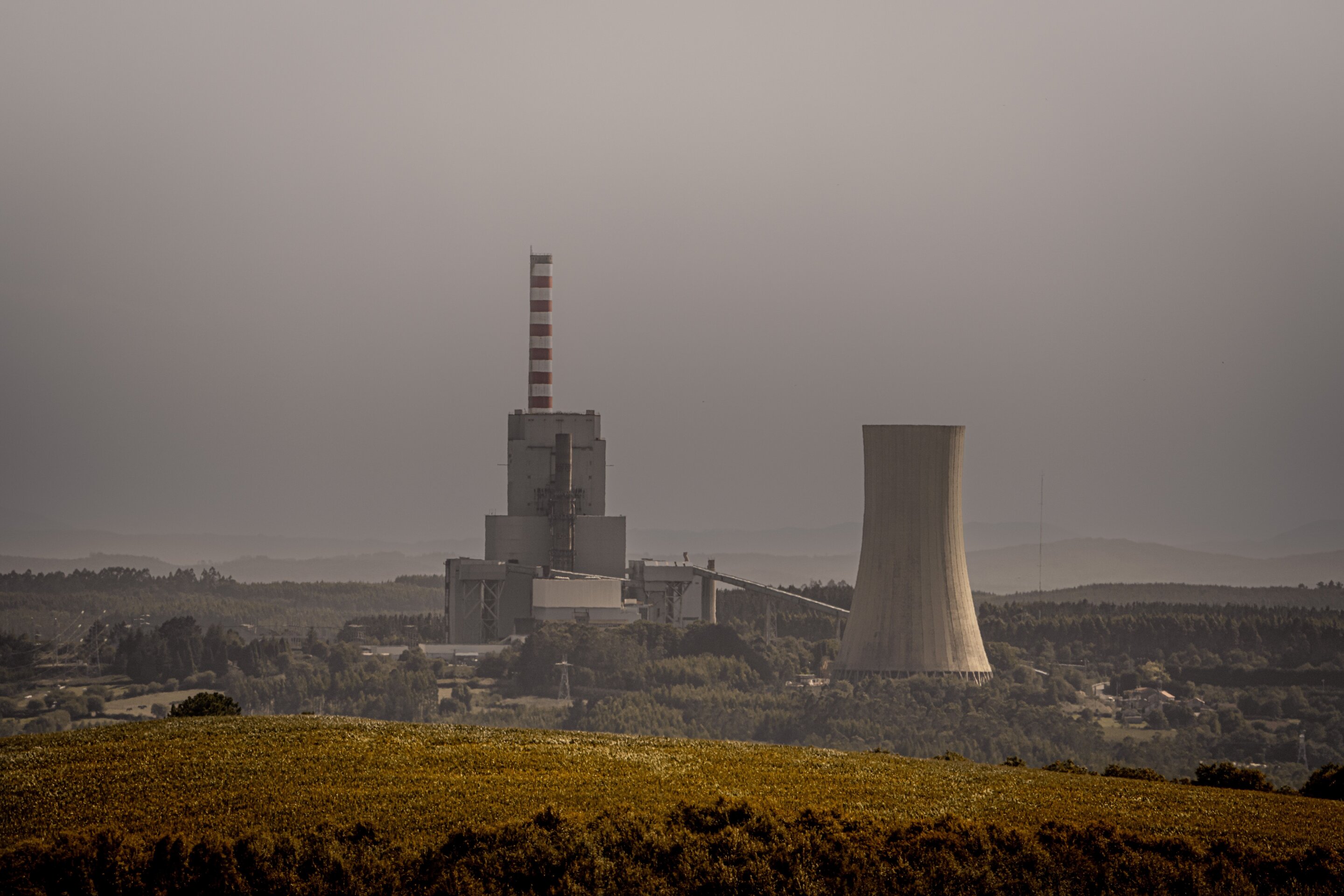
Research led by the University of Oxford reveals that while India's rapid economic growth since 2000 has improved access to electricity and cleaner cooking options, it has also increased reliance on coal-fired power. This shift has contributed to rising outdoor air pollution and urban air pollution-related deaths, as detailed in a study published in Nature Cities.
Read More
Since 2000, India has experienced a significant growth in economic activity, allowing millions to shift towards cleaner cooking fuels, thus reducing household air pollution. However, this economic expansion has driven nearly a fourfold rise in electricity demand, with over three-quarters (76%) of this demand met by coal. This transition has led to a corresponding increase in sulfur dioxide (SO₂) emissions, resulting in higher concentrations of sulfate aerosols and fine particulate matter (PM2.5), which has been linked to an increase in deaths related to urban air pollution.
Dr. Basudev Swain, the study's lead author, emphasized the dual nature of these developments, stating that while rising incomes have facilitated movements toward cleaner household energy, there is a pressing need to ensure cleaner electricity generation to support these gains.
The research combined satellite observations, atmospheric analysis, chemical transport modeling, and socioeconomic data to explore the relationship between economic growth and public health. Between 2000 and 2020, India's GDP per capita grew from around $600–$700 to over $2,000, alongside a rise in electricity consumption from about 450 terawatt-hours (TWh) to nearly 2,000 TWh. The study found a correlation where a 1% increase in GDP per capita led to an approximate 1.14% increase in electricity demand.
The expansion of coal-fired power plants in India is notable, with 71 established before 2000 and 182 commissioned between 2001 and 2024. Concurrently, urban aerosol pollution escalated, with sulfate particles increasing from 35.5% of total urban airborne particle pollution in 2000 to 46.4% in 2020. The power sector's contribution to urban aerosol loading rose from about 16% to 36% during this period, marking it as a major contributor to urban air pollution, particularly in northern and eastern India where coal infrastructure is prevalent.
Estimates indicate that urban deaths attributable to PM2.5 exposure rose from approximately 670,000 in 2000 to 870,000 in 2020, reflecting an increase of roughly 30%. Urban PM2.5-related deaths linked to power-sector emissions showed a substantial rise, rising from about 15,000 in 2000 to nearly 300,000 in 2020.
In contrast, there has been improved access to clean cooking technologies, which increased from roughly 25% of the population in 2000 to nearly 75% by 2023. Health data indicate a decline in deaths from household air pollution, decreasing from approximately 1.25–1.30 million annually around 2010 to about 1 million by 2023.
Dr. Rui Song, a co-author of the study, pointed out the broader implications of these findings, noting the challenges of breaking the link between economic development and coal reliance amid rising electricity demands. The study highlights that while coal-fired power exacerbates air pollution and public health issues, it also hampers clean energy transitions by reducing solar energy output. The analysis also acknowledges that industrial emissions contribute to urban air pollution, with the power sector accounting for an estimated 36% of total urban airborne particle pollution and industries about 32%, but the power sector's PM2.5 emissions have increased about 400% from 2000 to 2020 compared to a 90% increase for industrial emissions.