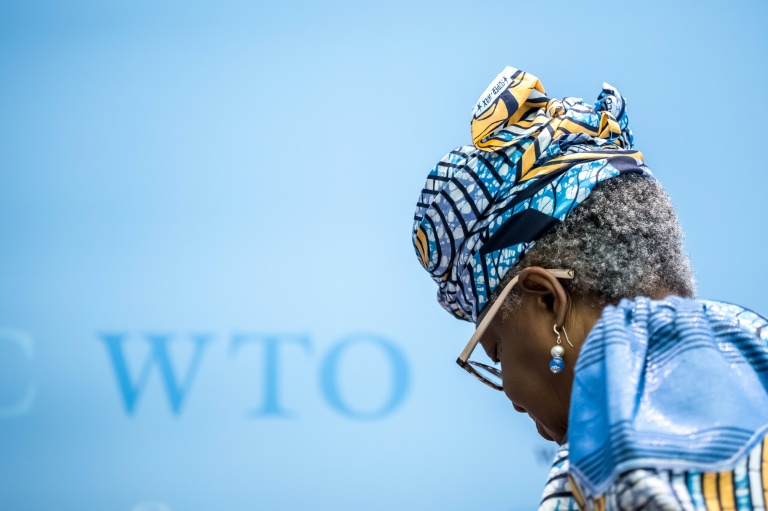
The World Trade Organization (WTO) is facing significant challenges, signaling a shift away from its previous central role in global trade. On March 19, 2026, WTO Director-General Ngozi Okonjo-Iweala called for a revitalization of multilateral trading during a press conference in Geneva, Switzerland, but the outlook remains bleak.
Read More
The multilateral trading system has likely reached its peak influence, primarily between 1995 and 2015. Although the WTO will persist, its centrality in global trade is not expected to return. Instead, a fragmented landscape characterized by geopolitical blocs and diverse regulatory frameworks is emerging. The foundational rules that enabled decades of global economic integration are increasingly being dismantled by the very nations that established them, particularly the United States and the European Union, which have shifted from being architects of the system to its challengers.
One of the primary factors contributing to the WTO's decline is the United States' adoption of aggressive unilateral trade policies. Washington's definition of “reciprocal and balanced” trade has led to a hostile stance toward the WTO, viewing it as a constraint on its national interests. This shift has resulted in the imposition of Section 301 tariffs on about 60 trading partners, undermining the multilateral framework and circumventing the WTO's dispute settlement processes. By redefining trade principles and using national security provisions broadly, the U.S. has diminished the historically binding nature of the rules to which it is subject.
The European Union, in contrast, is engaging in a subtler form of dismantling by establishing parallel trade standards, while still advocating for the WTO in public forums. Initiatives such as the Carbon Border Adjustment Mechanism and investigations into Chinese electric vehicles demonstrate how Brussels is creating alternative frameworks that challenge WTO rules without directly opposing the organization itself.
China, as the largest exporter globally, is motivated to defend the multilateral system but faces limitations due to its structural disadvantages. Unlike the U.S., which operates outside the WTO's obligations, China must extend trade concessions to all members if granted to one.
The internal dynamics of the WTO are fraught with paralysis, with its judicial and legislative functions severely impaired. The dispute resolution mechanism, once viewed as a cornerstone of multilateralism, remains inactive due to years of blocked appointments by the United States, which aims to reclaim national sovereignty over international trade rules. Additionally, the WTO's negotiating capabilities are stagnating, highlighted by the stalled Doha Round and partial negotiations on fisheries subsidies.
Despite these challenges, the multilateral trading system will not completely disappear; smaller economies still rely on its frameworks. However, as the U.S. and EU adopt unilateral approaches, the WTO's role is shifting towards facilitating plurilateral agreements rather than a forum for universal trade rules.
Emerging areas such as digital trade and green policies are becoming increasingly fragmented as countries carve out their own regulations in competing blocs, further sidelining the WTO. The era of hyper-globalization driven by efficiency is being replaced by a focus on security and political alignment.
Rather than predicting an outright collapse of the WTO, the current developments suggest a managed decline, with the loss of the traditional system leading to a fragmented array of regulations and alliances that prioritize geopolitical considerations over market-driven principles.