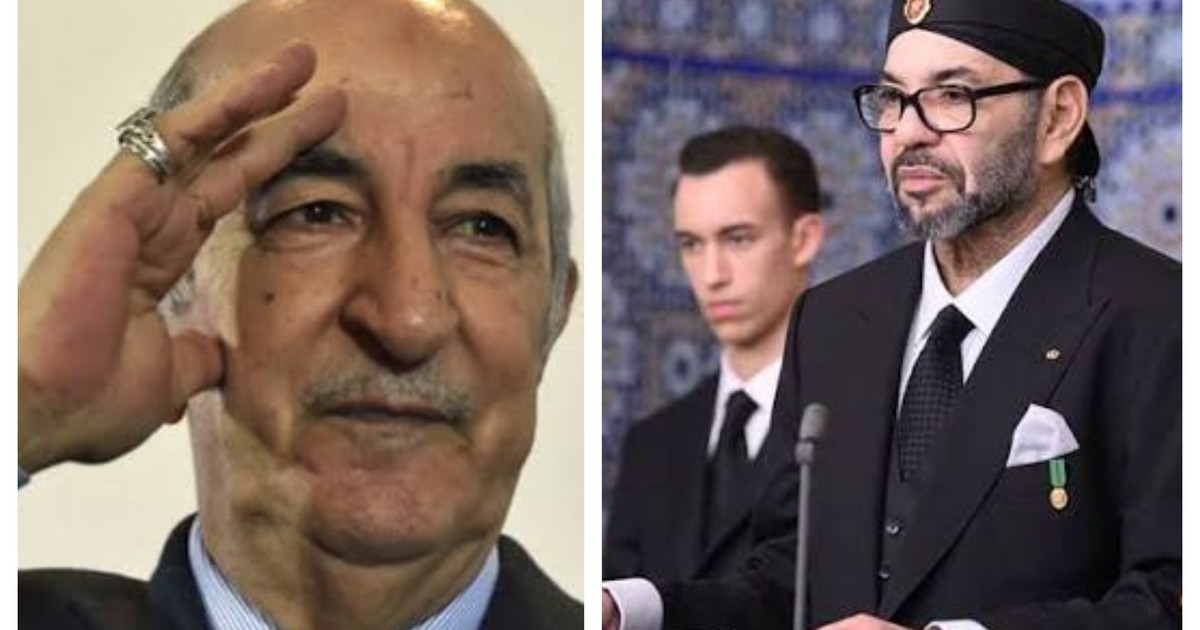
Algeria ranks as Africa's fourth-largest economy with a GDP of $331.9 billion, significantly ahead of Morocco by $136.26 billion. This disparity highlights the economic differences between the two North African neighbors, which pursue contrasting growth strategies.
Read More
Algeria's economy benefits from its extensive oil and natural gas reserves, with these exports forming a major component of government revenue and foreign exchange earnings. The country is also a key supplier of natural gas to European markets, enhancing its role in regional energy trade.
Despite Algeria's energy wealth, its reliance on hydrocarbons exposes government finances to global energy price fluctuations. Authorities are seeking to diversify by investing in agriculture, manufacturing, and other non-oil sectors.
According to the International Monetary Fund (IMF) assessment in September 2026, Algeria is projected to experience an economic growth of 3.8% for the year, supported by increased hydrocarbon revenue and public investment. However, the IMF cautioned that ongoing fiscal deficits and rising debt pose medium-term risks and emphasized the need for improved non-hydrocarbon revenue and more effective public spending.
In contrast, Morocco, while smaller in GDP, has developed a robust manufacturing sector that attracts substantial foreign investment, particularly in automotive production. The country has emerged as a critical player in Africa's automotive industry, receiving investment from companies like Renault and Stellantis.
In July 2025, Stellantis announced a €1.2 billion ($1.4 billion) expansion of its Kenitra factory, aiming to boost annual production capacity to 535,000 vehicles. Additionally, Morocco's automotive exports reached 157 billion dirhams ($17 billion) in 2024, surpassing South Africa in passenger car production, though South Africa still leads in overall vehicle output.
Investment in Morocco has also extended to the electric vehicle battery and aerospace sectors, with China's Gotion High-Tech developing a $1.3 billion battery factory, and France's Safran launching a €280 million aircraft landing gear facility, expected to create nearly 500 jobs.
These initiatives reflect Morocco's strategy to diversify exports and strengthen its position in global supply chains, all while facing challenges such as unemployment, water scarcity, and dependence on European markets, which make some aspects of its economy vulnerable to external demand shifts.
Overall, while Algeria leads in economic output bolstered by its energy sector, Morocco's focus on manufacturing and foreign investment sets up a different economic trajectory for both countries.