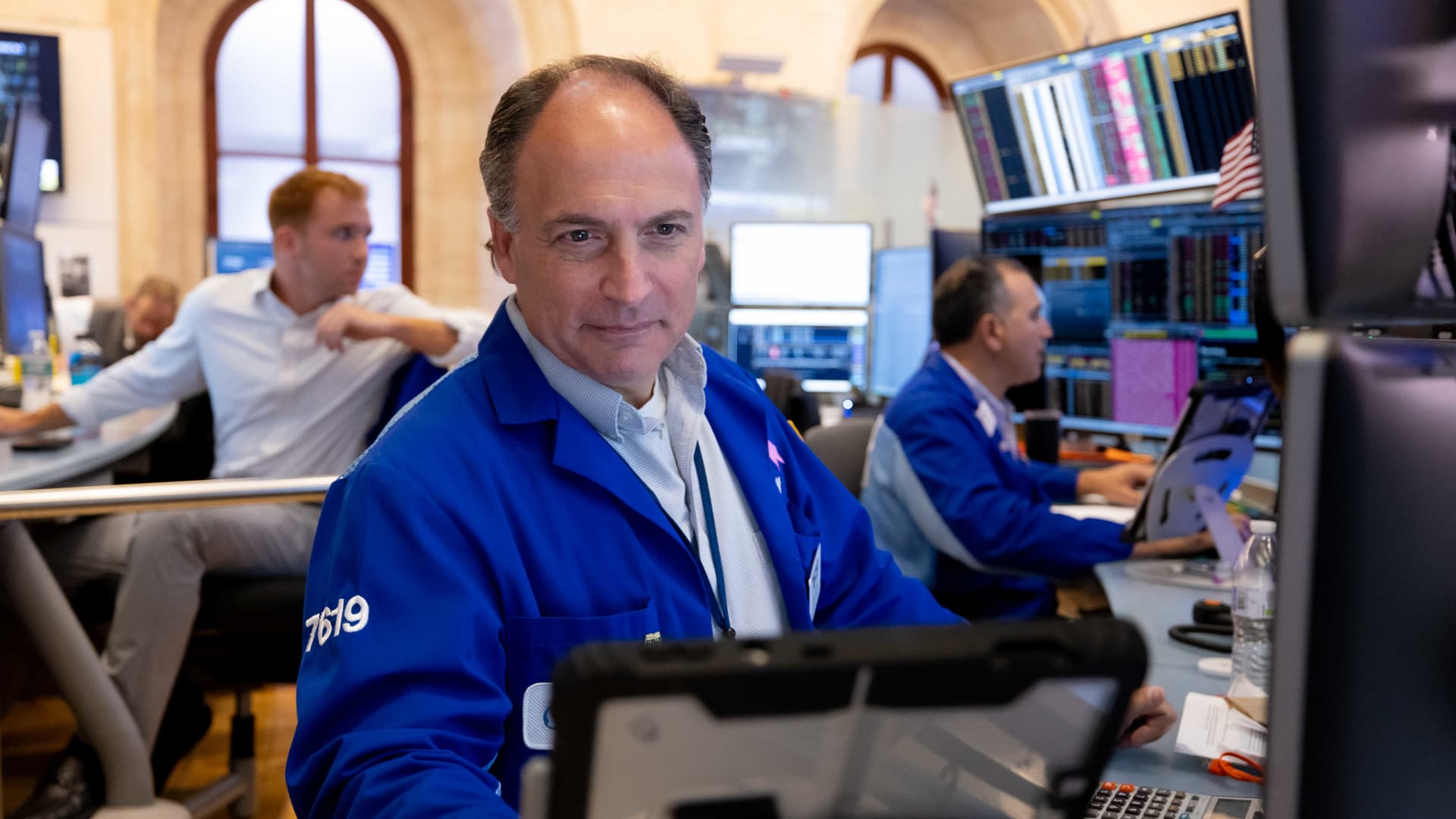
U.S. stock markets showed little movement on Friday following a turbulent trading week, primarily driven by a rise in Treasury yields. The S&P 500 and Nasdaq Composite both decreased by 0.1%, whereas the Dow Jones Industrial Average gained 92 points, or 0.2%. Akamai Technologies led the session with a 5% increase after securing a multiyear partnership with Anthropic.
Read More
Market sentiment was bolstered by a decline in oil prices, fueled by optimism regarding a potential reopening of the Strait of Hormuz, as Iranian Foreign Minister Abbas Araghchi suggested a reopening alongside renewed nuclear discussions with the U.S. if certain conditions were met. U.S. West Texas Intermediate crude dropped 2% to around $92 per barrel, and Brent crude fell 1% to approximately $104 per barrel.
Despite the day's performance, the Dow is on track for its fourth consecutive week of losses, currently down 0.1%. In contrast, the S&P 500 is poised for a 1% weekly gain, while the Nasdaq has risen by nearly 2% this week.
In the bond market, the 10-year Treasury yield reached levels not seen since 2007 on Thursday, while the 30-year yield hit its highest point since 2004. Both yields were slightly higher, at 5.188% and 5.49%, respectively. The increase in yields has been attributed to hawkish remarks from Federal Reserve Governor Michael Barr, persistent energy prices linked to the Iran conflict, and a strong purchasing managers' report. Current trading indicates a roughly 66% chance of an interest rate hike in October, according to the CME FedWatch tool.
Morgan Stanley economist Heather Berger highlighted that the rise in credit card and auto loan rates, alongside reaccelerated mortgage rates, could impact consumer spending. She estimated a slowdown in real consumption growth for next year.
Market participants are also keeping an eye on Chinese President Xi Jinping's visit to the U.S. this week. U.S. Trade Representative Jamieson Greer indicated that more information regarding U.S.-China negotiations would be disclosed on Monday. Treasury Secretary Scott Bessent previously noted that the two nations have extended their trade truce by two months.
Consumer sentiment saw a sharp decline in September, reflecting broader economic concerns, with the final reading of the University of Michigan survey dropping to 48.1, slightly better than the anticipated 47.8. Inflation expectations increased to 4.6%, marking a rise of 0.6 percentage points from the previous month, which is the highest since June.
German consumer confidence also indicated a significant setback in September, influenced by rising energy costs, according to a report from the Nuremberg Institute for Market Decisions.
In other U.S. economic updates, durable goods orders remained unchanged in August, defying forecasts for a decline, while housing mortgage rates reached the highest levels in over two years at 7.45%.