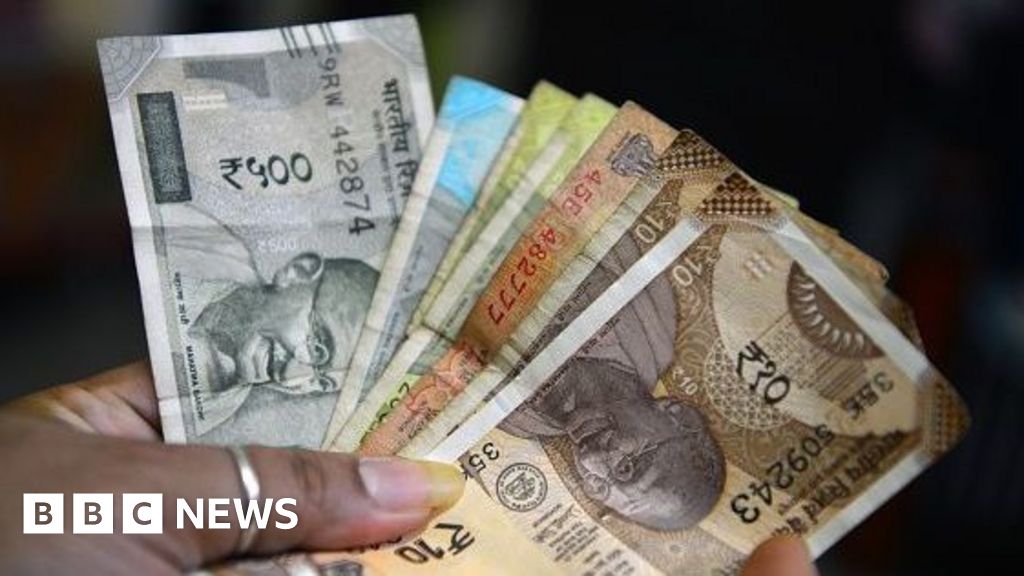
The Reserve Bank of India (RBI) has raised its benchmark interest rate by 25 basis points to 5.5%, marking the first increase in nearly four years as concerns over rising inflation mount. This adjustment means consumers in India may face higher costs for car, home, and personal loans.
Read More
The rate hike comes as the rupee is trading close to a two-month low, and as global monetary policies tighten in response to energy-driven inflation exacerbated by ongoing geopolitical tensions, particularly due to the conflict in the Middle East.
Following the announcement, India's benchmark equity indices, Sensex and Nifty, experienced declines as investors assessed the implications of higher borrowing costs on consumption and corporate investment.
RBI Governor Sanjay Malhotra indicated that further rate increases or maintaining rates at the current level would be necessary to manage inflation effectively. In his address, he acknowledged the ongoing geopolitical challenges while affirming the strength of the Indian economy. He also stated that the possibility of rate cuts is "off the table for now."
The RBI has revised its Consumer Price Index (CPI) inflation forecast for 2026-27 to 5.2%, up from the previous estimate of 5%, reflecting anticipated price pressures due to adverse weather, weak monsoon conditions, and high volatility in international oil prices. Crude oil prices are currently above $100 a barrel, contributing to increased import costs as India relies on imports for about 90% of its crude oil and 50% of its gas needs.
Prior to this increase, the RBI last adjusted rates in February 2023, completing its post-pandemic tightening cycle. Throughout much of 2025, the bank had cut rates to stimulate growth, maintaining the same policy from December 2025 until this increase. Economists had predicted this rate hike due to sustained inflation, which they believe can be absorbed by the resilient economy without hindering growth.
This decision aligns with global trends, as the US Federal Reserve has significantly raised rates since 2022, leading to higher treasury bond yields and attracting investment away from emerging markets like India.
Additionally, the RBI upgraded its GDP growth forecast for the current financial year to 7.1%, an increase of 40 basis points from its earlier estimate. Governor Malhotra emphasized the RBI's commitment to maintaining price and financial stability, which are crucial for sustainable long-term growth.
Anuj Puri, chairman of ANAROCK Group, noted that the RBI's rate increase could impact consumer sentiment and discretionary spending, particularly during the festive season, a critical period for housing demand.