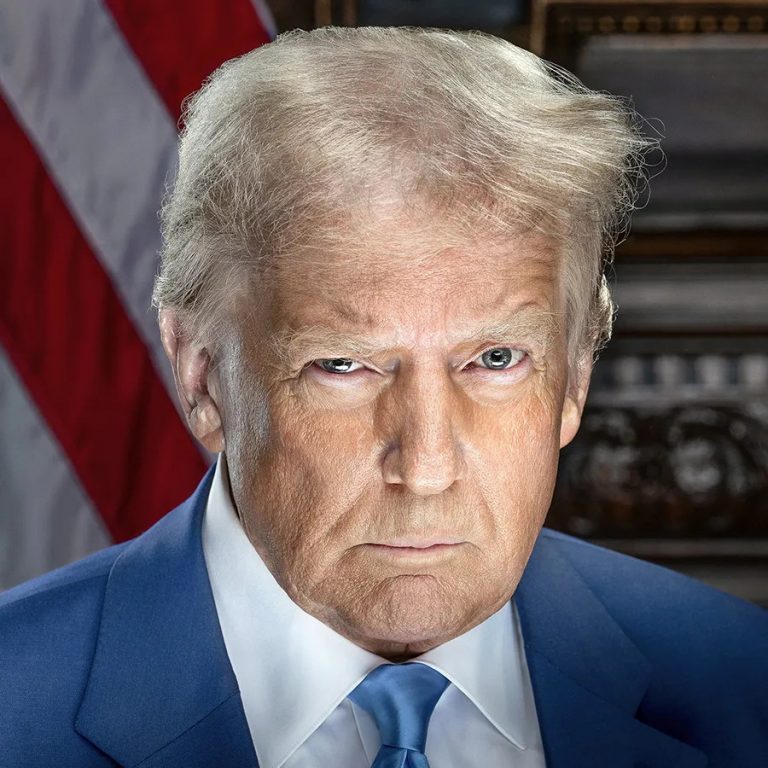
During a campaign rally in August 2024 in North Carolina, Donald Trump claimed, "When I win the election, we will immediately begin a brand-new Trump economic boom." This raises the question of how effective the Trump administration has been in job creation.
Read More
Graphs analyzing nonfarm job growth in Wisconsin revealed that during Trump's presidency, job increases were weak. In his first term, job numbers actually declined, largely attributed to the COVID-19 pandemic. Job growth has remained minimal in his current term.
National job trends also reflect this stagnation during Trump's two terms, while contrastingly showing strong job growth during President Biden's administration.
A consistent pattern emerges from these analyses indicating that Democratic presidents tend to have taller job growth columns compared to their Republican counterparts, a trend recognized for over two decades. While causation is not established, several explanations could be inferred from the data. For instance, by the time Trump took office, the demand for workers may have already been satisfied, in contrast to the recovery seen early in the Biden administration.
The August jobs report indicated a gain of 162,000 nonfarm jobs in the U.S., following a revised estimate of just 21,000 jobs in July, generating enthusiasm among Trump supporters.
Labor force data for both Wisconsin and the nation supports this narrative. Additionally, Trump’s pledge to revive manufacturing in the U.S. has not materialized; manufacturing jobs in Wisconsin have actually declined during both of his terms. Historical data shows that the last significant growth in Wisconsin's manufacturing sector occurred during the Clinton presidency.
Overall trends in U.S. manufacturing jobs since the Truman administration reveal a downward trajectory, although there has been a slight recovery under Biden.
The findings repeatedly highlight discrepancies between Trump's claims and the actual economic data.