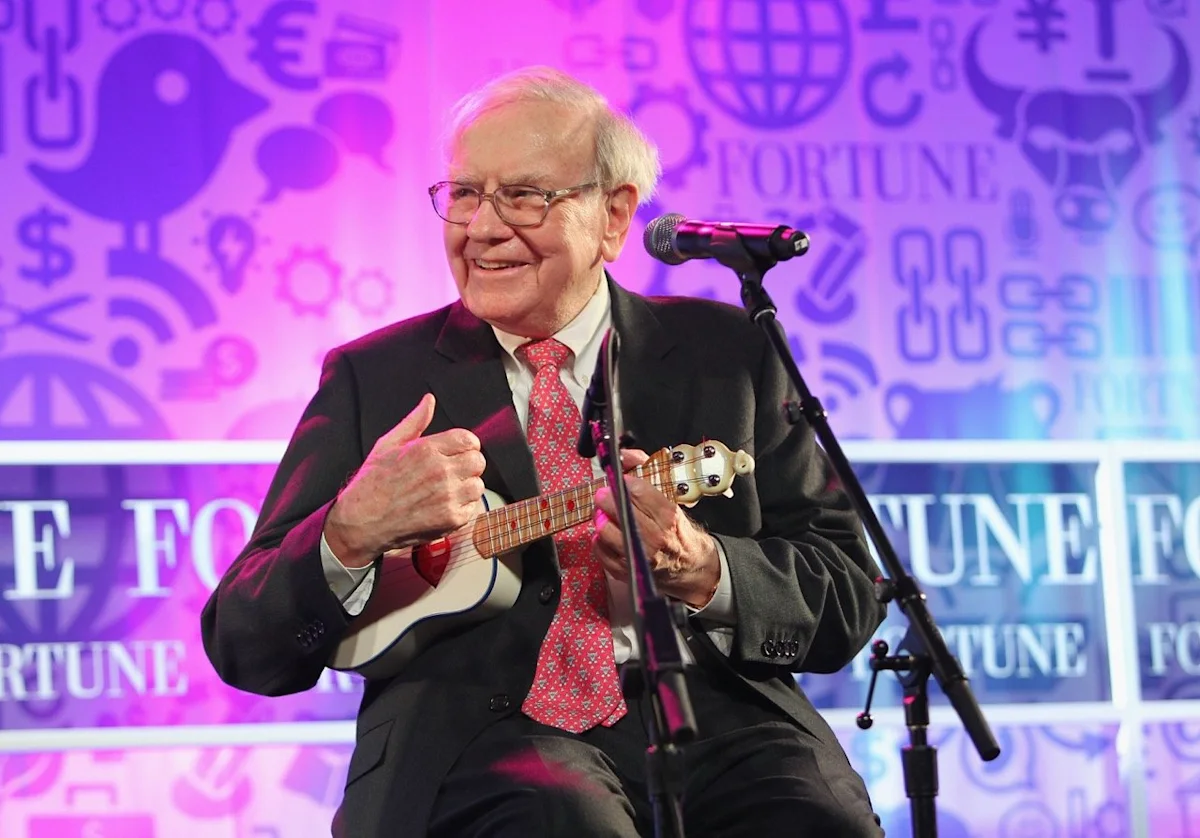
Warren Buffett, the CEO of Berkshire Hathaway, is famous for his investment strategy encapsulated in the phrase, "Be fearful when others are greedy and greedy when others are fearful." Over a 60-year span, he achieved a staggering 5.5 million percent return by investing during periods of market fear when others hesitated. While individual investors may not have the financial muscle of Buffett, they can adopt similar tactics during market downturns.
Read More
Buffett's strategy is particularly relevant during bear markets, which he views as prime opportunities to buy stocks at discounts when others are too fearful to invest. A key example of this was during the 2008 financial crisis, when the S&P 500 index experienced a 38.5% loss. While many investors fled the market, Buffett capitalized on the situation by investing billions in major firms like Goldman Sachs and Bank of America. These investments significantly contributed to Berkshire's profits, exceeding $10 billion by October 2013, as reported by The Wall Street Journal and CNBC.
Buffett believes that average investors could have achieved similar gains by purchasing stocks during periods of panic. He noted that investors often miss opportunities by not buying when fear grips the market. For those looking to emulate Buffett, it's advisable to divert extra funds into the stock market during sell-offs instead of sticking to regular investment amounts. By the end of his tenure as CEO, Berkshire had amassed around $370 billion in cash, which Buffett referred to as "dry powder" for advantageous investment opportunities.