Inflation concerns grew in September, with the New York Federal Reserve's monthly Survey of Consumer Expectations indicating the median outlook for inflation over the next 12 months rose to 3.9%, an increase of 0.3 percentage points from August. This marks the highest level since May 2023 when the inflation expectation stood at 4.1%.
Read More
The survey also noted that anticipated household spending growth is expected to hit 5.5%, a rise of 0.3 percentage points month over month, also the highest since May 2023. As inflation remains significantly above the Federal Reserve's target of 2%, Fed officials are deliberating on monetary policy directions.
Markets largely anticipate that the Federal Open Market Committee will keep benchmark rates steady during its meeting later in October. Despite a lower-than-expected inflation figure in August, several key Fed officials, including New York Fed President John Williams, have indicated that there is no rush to adjust interest rates.
Longer-term inflation expectations appear more stable; the three-year outlook increased by 0.1 percentage point to 3.3%, while the five-year expectation remained steady at 3%. However, market indicators reflect more concern, with the five-year breakeven rate reaching its highest level of the year at 2.35%. Recent spikes in Treasury yields have been noted, reaching levels not seen in two decades.
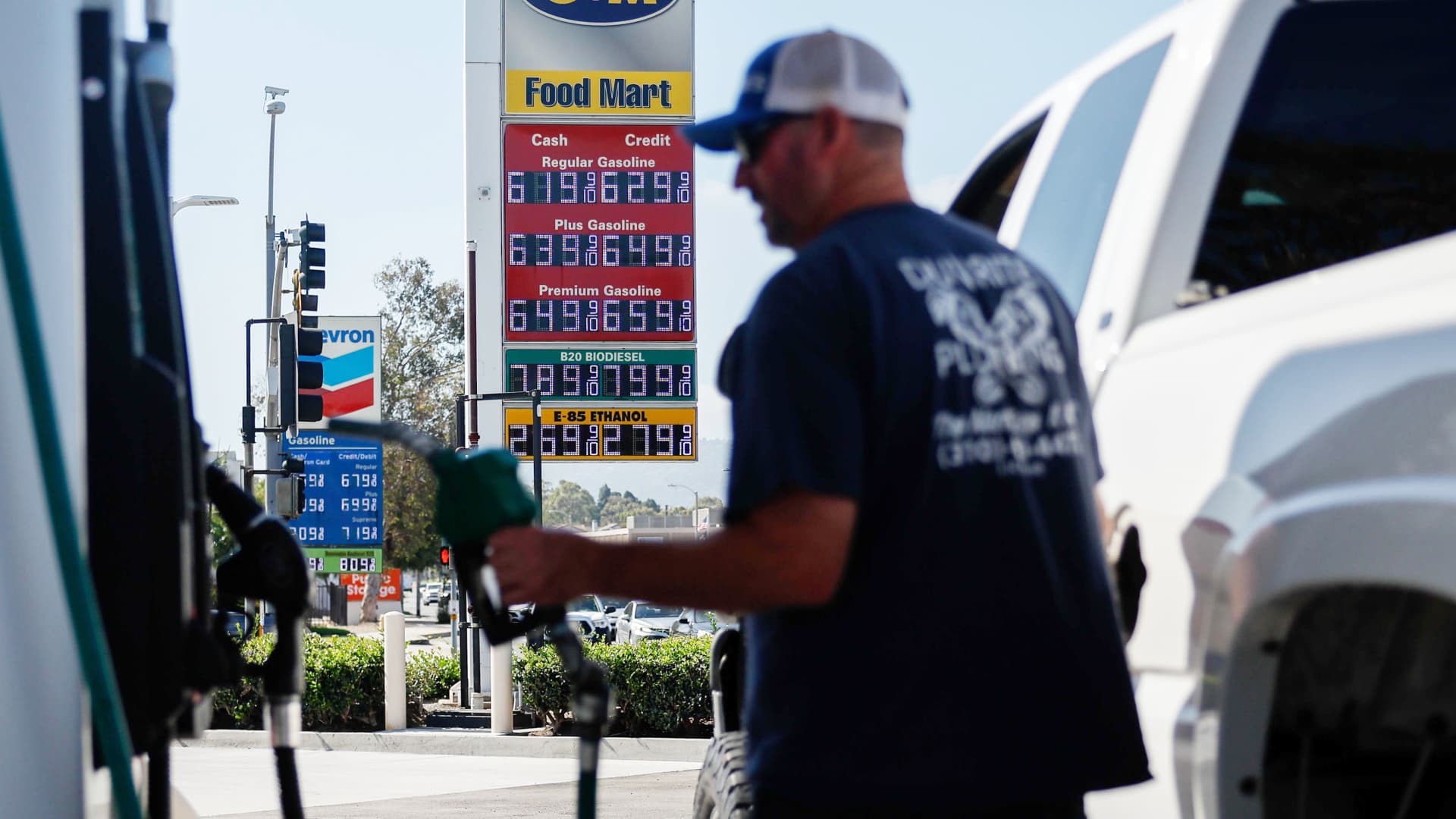
Rising energy costs are central to the inflation issue. According to the Bureau of Labor Statistics, gasoline prices surged nearly 4% in August, and fuel oil saw a more than 10% increase. Utilities have sought a total of $23.1 billion in rate hikes in 2026, with $4.5 billion of that requested in the third quarter alone, marking a record for that period. The New York Fed survey indicates that consumers expect gas prices to rise by 4.8% in the coming year, an increase of 0.2 percentage points from August.
While the market predicts stability in the near term, it is expecting a more aggressive stance from the Fed in the future, with Fed funds futures contracts suggesting a rate of 5.58% in five years, compared to the current target range of 3.75% to 4%.