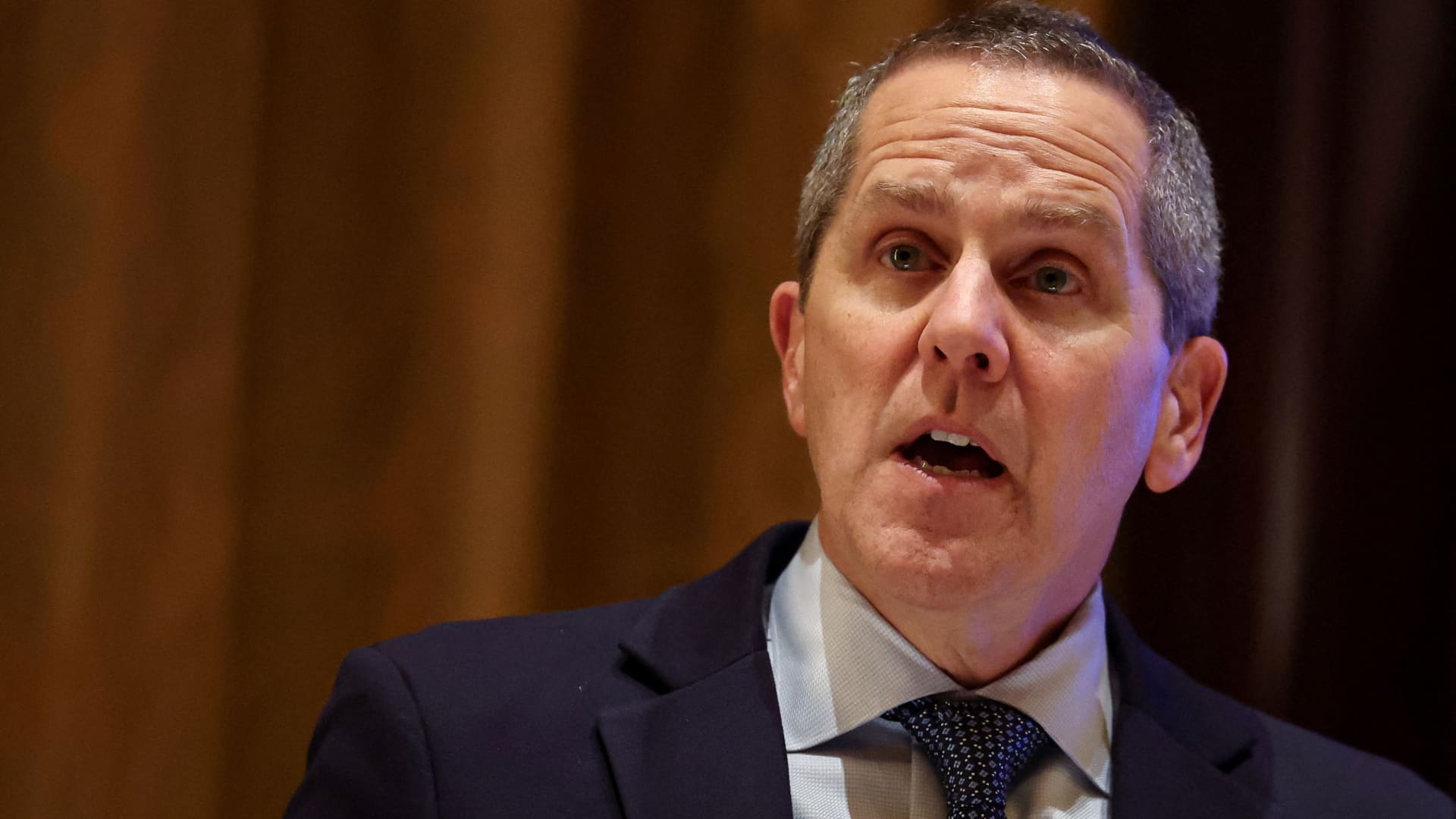
Federal Reserve Governor Michael Barr stated on Wednesday that an interest rate hike in October is a strong possibility, following his remarks on the need for further policy adjustments to combat inflation. Speaking at a housing conference in Chicago, Barr mentioned that despite last week's 0.25% increase, more action is necessary to achieve the Fed's inflation targets.
Read More
Barr emphasized, "We want to support sustainable, durable growth in support of maximum employment, and price stability is crucial to that." His comments coincided with new economic data revealing increasing inflation pressures. S&P Global reported that its flash measures for both the manufacturing and services sectors reached their highest levels in over four years. Specifically, the services index, based on purchasing managers' responses, rose to 58.7, while the manufacturing index increased to 56.7. A composite score of 58.4 marked a 62-month high, indicating growth since scores above 50 signify expansion.
The inflation measure from S&P also reached its highest point since October 2022, attributed to escalating fuel and transportation costs along with rising wages. Chris Williamson, chief business economist at S&P Market Intelligence, noted that input costs surged in September at the fastest rate in four years, particularly due to increasing oil prices, which are expected to exert upward pressure on selling prices and inflation.
Job growth was also robust, with many companies reporting a need for additional workers to manage order backlogs. The PMI surveys noted an employment increase at the fastest rate since June 2022, with service sector employment expanding at its quickest pace since June 2002 and manufacturing reaching levels not seen since February 2021.
In response to this news, market expectations shifted significantly. The odds of a rate hike during the Federal Open Market Committee's meeting on October 27-28 surged to 73%, according to CME's FedWatch. Treasury yields also spiked, with the 2-year note rising more than 13 basis points to 4.9%, reflecting heightened expectations of Fed actions.
Just a week prior, the FOMC had approved a 25 basis point rate increase, setting the benchmark rate within a target range of 3.75%-4%. Barr described this action as an "important" adjustment. Only two out of 18 meeting participants projected no further increases for the remainder of the year, despite earlier speculation about awaiting the November midterm elections before considering additional hikes. Barr stated that the committee was "out of position" regarding rates and believed their recent move was a step in the correct direction. Regional presidents Alberto Musalem of St. Louis and Susan Collins of Boston also expressed support for further rate increases.