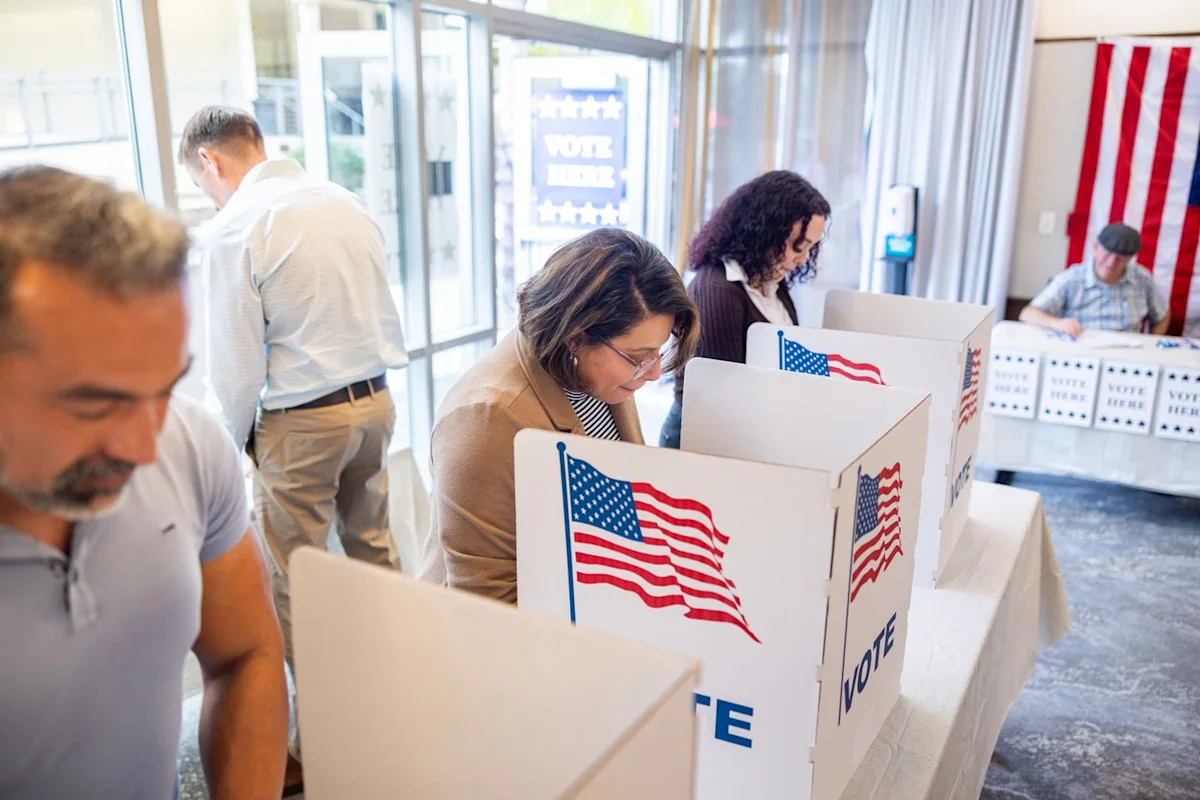
As the midterm elections approach, voters will head to the polls on November 3 to elect representatives for the U.S. House and Senate. Investors are observing closely, given the current political climate and global events such as the Iran war, to assess future policy impacts in the coming years.
Read More
Historically, stock market performance has generally improved after midterm elections. According to research by JPMorgan Chase, since 1950, the S&P 500 Index has posted positive returns in the 12 months following every midterm election, averaging a gain of approximately 15%.
JPMorgan Global Market Strategist Jordan Jackson noted in a research update on October 7 that despite some reservations about current market conditions—including ongoing developments in artificial intelligence and the extended bull market—there remains optimism. He stated, "History is on the side of investors after midterms," attributing this to solid earnings, steady growth, and a less aggressive Federal Reserve than initially feared.
Investors are advised to maintain their positions rather than attempt to time the market around elections. However, while historical trends favor positive outcomes, the actual performance post-midterm may still differ. Notably, while the S&P 500 has been positive after midterms since the early 2000s, it has seldom achieved the 15% average gain.