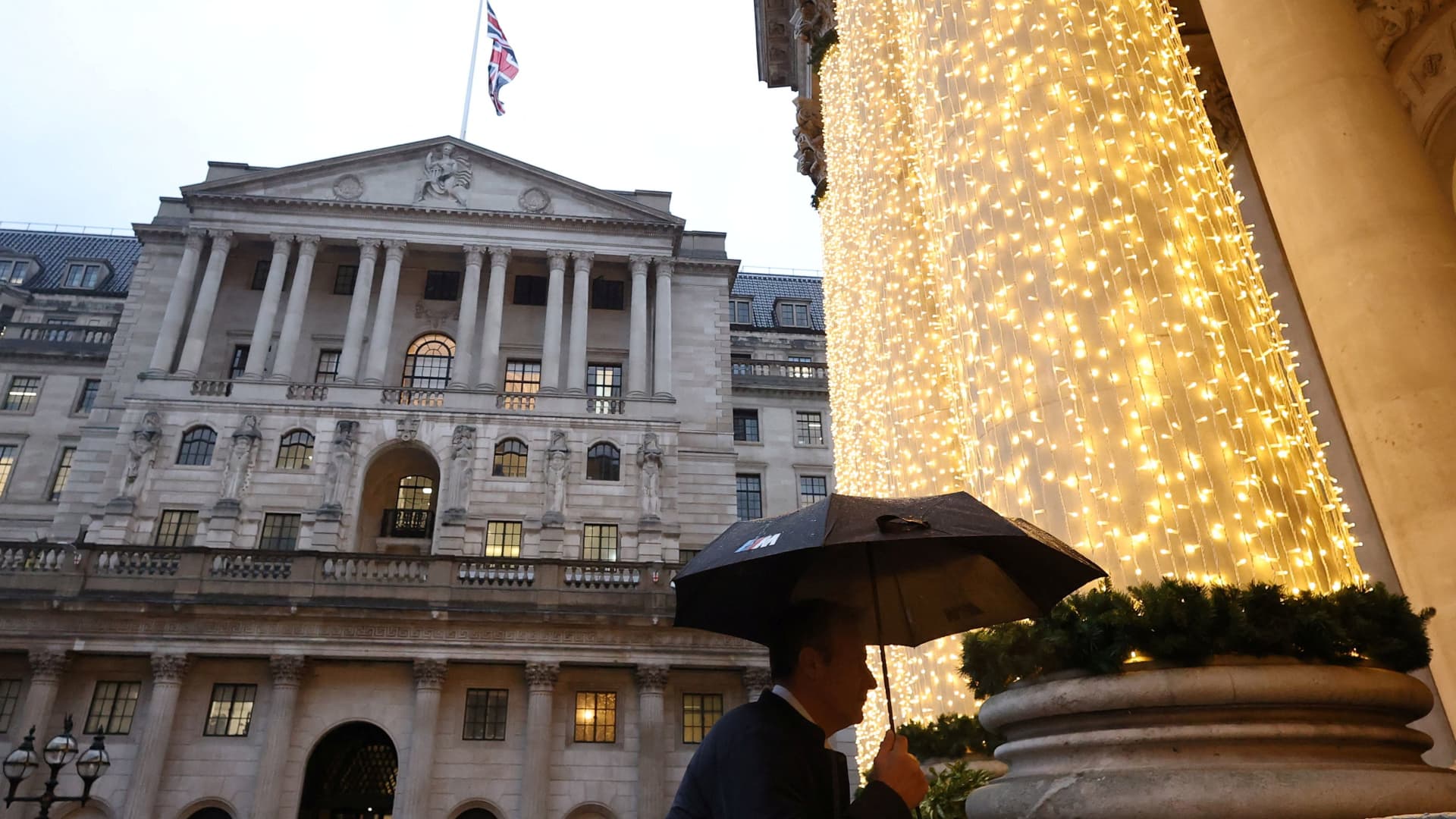
U.K. inflation rose unexpectedly to 3.5% for the year ending in September, fueled by a significant increase in motor fuel prices. This figure surpassed economists' predictions of 3.4% as reported in a Reuters poll. The inflation rate has been climbing steadily, up from 3.1% in August and 2.9% in July, marking the highest annual inflation rate in nearly a year.
Read More
The Office for National Statistics indicated that motor fuel costs surged 29.8% in the year leading to September, reaching their highest level since August 2022, coinciding with heightened prices following Russia's invasion of Ukraine. As a net energy importer, the U.K. faces vulnerabilities from global energy disruptions, including tensions related to the U.S.-Iran conflict that impact oil transport through the Strait of Hormuz.
Following the inflation data release, the British pound remained stable against the euro and the U.S. dollar, while yields on U.K. government bonds showed little movement. Scott Gardner, an investment strategist at J.P. Morgan Personal Investing, noted that recent increases in overall inflation have reversed some progress made earlier in the year. He highlighted concerns that rising services inflation signals potential second-round inflationary pressures beyond energy costs. Gardner emphasized the persistent economic challenges attributed to ongoing conflicts, reinforcing the case for a rate hike.
Current market forecasts suggest a 98% probability that the Bank of England will raise its key interest rate by 25 basis points to 4% in November, with many traders expecting another similar increase at December’s final meeting of 2023.
The inflation spike further complicates fiscal matters for the U.K. government, as Chancellor of the Exchequer John Healey prepares for his first budget announcement next week amid rising public debt, which has reportedly surpassed £3 trillion ($4 trillion) for the first time. The rising cost of debt servicing and sluggish economic growth are pressing concerns. Healey stated that he aims to maintain fiscal discipline while simultaneously driving growth and offering relief to businesses and families.
Suren Thiru, chief economist at the Institute of Chartered Accountants in England and Wales, described the situation as a precarious balancing act for the Chancellor, noting that rising prices are intensifying demands for cost-of-living support while increasing government borrowing costs, thus limiting fiscal flexibility. He indicated that the conditions are increasingly set for a rate hike in November, stressing the importance of a credible budget that avoids exacerbating inflation.